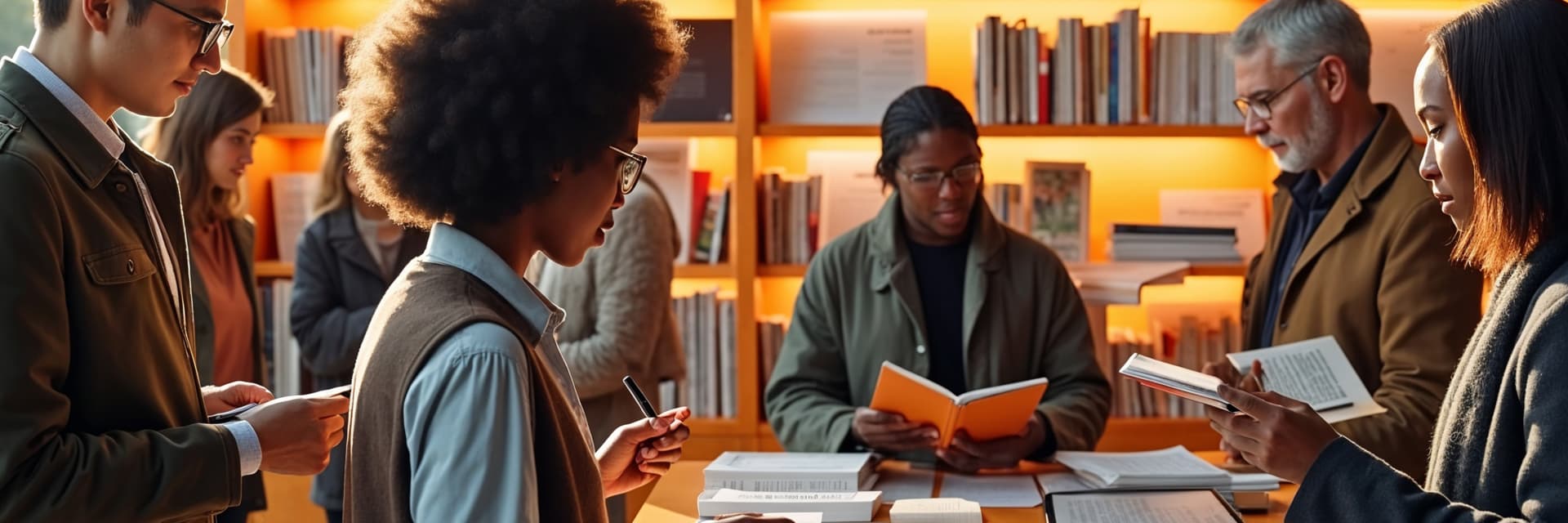
Is the Engineering Lab a Place to Foster Creativity? A Study on Students' Creative Achievements in a Conventional Forming Technology Lab
For a long time, creativity is classed as one of the key 21st century skills, especially in the context of Learning and Working 4.0. However, common engineering degree programs hardly foster engineering creativity, if at all. Although instructional laboratories have the potential to provide novel opportunities to foster creativity in engineering education, the commonly deployed verification laboratory type does not. The paper presents results of an exploratory study deploying participant observation and a content analysis of observation protocols on current creativity fostering aspects of a well-established lab course in manufacturing engineering at a German university of technology. The study identified a significant lack of learning outcomes regarding creativity. As a main result, it can be stated that the lab course mainly fosters creativity aspects like curiosity and motivation, self-reflective learning, and learning by doing. However, the most important qualities of creativity, such as independency, multiperspectivity, and especially reaching for original ideas, are not in focus yet. To tackle this challenge, remote and virtual labs unfold additional potentials to foster the perceived missed opportunities of engineering creativity. Above all, it is necessary to rework lab courses with regard to creativity fostering learning objectives. With this, it will be possible to contribute to a future skills oriented instructional redesign of engineering curricula.
Auf einen Blick
Autor:innen & Herausgeber:innen
Das könnte Sie auch interessieren
Internat. Curricula erfahrungsbasiert entwickeln
Das Projekt SAXperience hat zum Ziel, die Curriculumsentwicklung in allen international ausgerichteten Studiengängen der HTW Dresden durch eine vorgeschaltete Reallabor-Phase zu fundieren und so noch stärker an den Bedarfen der Studierenden auszurichten. In den geplanten vier Reallaboren explorieren Teams von internationalen und nationalen Studierenden in Projektphase 1 mittels des erfahrungsbasierten Lernens nach Kolb (1984) themenbezogene Formate/Ansätze, unterstützt von Alumni, Unternehmenspartnern, Akteuren der Zivilgesellschaft. In Projektphase 2 werden aus den entwickelten Formaten/Ansätzen konkrete curriculare Weiterentwicklungen für die 4 Studiengänge Electrical Engineering, Environmental Engineering, International Management, German Business Culture/International Management. Diese Curriculumsentwicklungen werden im Rahmen der internen Lehr-QM-Prozesse sukzessive implementiert. Ergänzend entsteht mind. 1 extracurriculares Angebot. Die Reallabore stehen unter den nachfolgend genannten Titeln und beziehen sich insbesondere auf die in Klammern genannten Phasen des Student Life Cycle: Democracy, Diversity + Inclusion (Studieneingangsphase); Language + Communication (Studien- und Prüfungsphase); Work + Company Culture (Berufsorientierungsphase); Innovation + Sustainability (Berufsübergangsphase). Zudem wird ein Evaluations- und Transferlabor als Querschnittsfunktion aufgesetzt, um Projektergebnisse systematisch auszuwerten und hochschulin- und -extern zu verstetigen.
Projekt anzeigen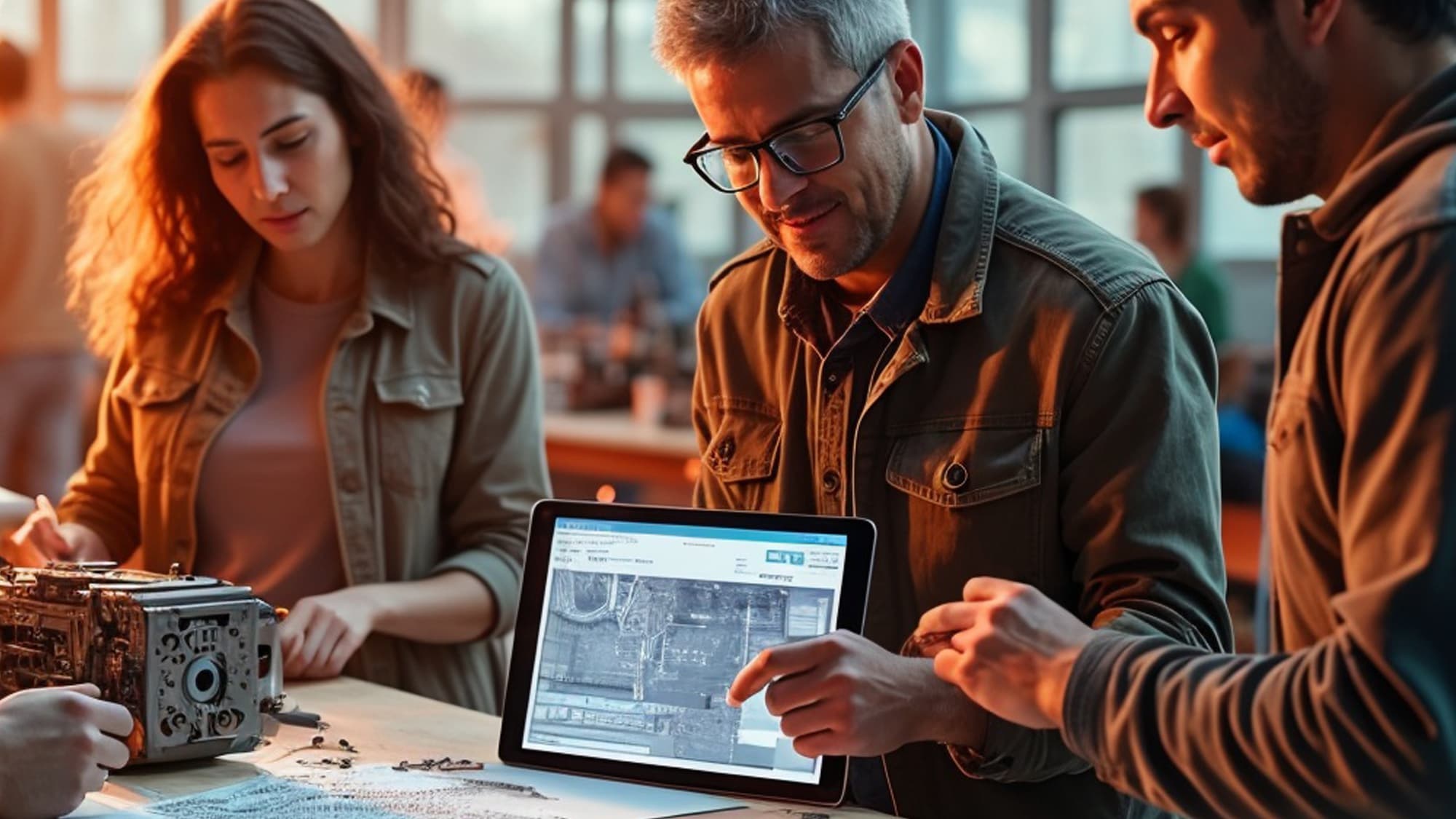
Mediale Unterstützung und interaktive Elemente
Wir haben unsere Materialien um anschauliche Visualisierungen, eingebettete Videos und interaktive Code-Beispiele ergänzt, um einerseits Aufmerksamkeit sinnvoll zu bündeln und andererseits die bestehende Komplexität moderner Bildungsherausforderungen medial angemessen abzubilden. Diese mediale Vielfalt erleichtert die individuelle Erschließung des Lernstoffs und fördert aktives, selbstgesteuertes Lernen. Eingesetzt wurden diese Elemente besonders im Kontext eines Online-Tutorials zur Erstellung von Open Educational Resources (OER) für die Hochschullehre und Kursen zu Digital Literacy und Python for Psychologists.
Maßnahme anzeigen
Bot or Not? Differences in Cognitive Load Between Human- and Chatbot-Led Post-Simulation Debriefings
Understanding how different debriefing formats impact learner’s cognitive load is crucial for designing effective post-simulation reflection activities. This paper examines cognitive load after post-simulation debriefings facilitated either by a human instructor or a generative AI Chatbot. In a controlled study with N = 45 educational science students, 23 participants engaged in a lecturer-facilitated debriefing, while 22 completed a chatbot-guided session. Cognitive load was assessed across intrinsic, extraneous, and germane dimensions. Results revealed no statistically significant differences between the two debriefing methods. Future research should examine AI-led debriefings with larger samples and employ complementary measures of cognitive load to provide a more comprehensive understanding.
Publikation anzeigen